
#15 The Foundation Beneath a Multipotential Life
Before the system of roles, two quiet bricks: purpose and strengths.

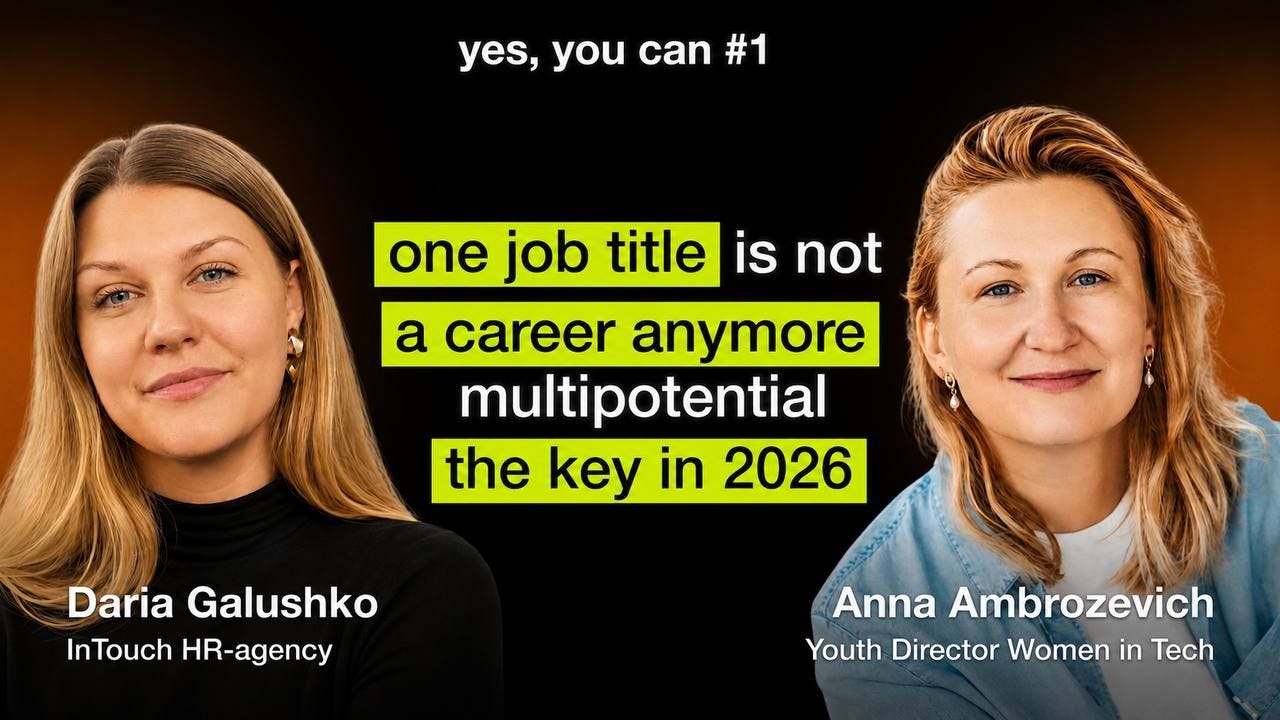
I was recently a guest on a podcast by Daria Galushko — for the first time, speaking specifically about multipotential life, and in this kind of long, reflective form.
And somewhere in the conversation, I was asked something simple:
What actually holds a life like this together?
So many roles. So many directions.
What keeps it from collapsing into noise?
I’ve written a lot here about the system — the roles, the rhythm, the digital office, the way everything connects.
But systems rest on something.
And before the system, there are two quiet bricks.
Brick one: purpose
Not a single goal. Not one title to rule them all.
A center.
I think about it through Ikigai — the Japanese idea of a reason for being. The quiet overlap between what you love, what you’re good at, what the world needs, and what sustains you.
For a multipotential, Ikigai isn’t a job description.
It’s a gravitational center.
It doesn’t tell you to do one thing.
It tells you why all your things belong to the same person.
When you know your center, your roles stop competing.
They start orbiting.
Brick two: strengths
The second brick is knowing what you actually bring.
Not your job. Not your field. Your underlying talent — the thing that shows up no matter which role you’re in.
For me, CliftonStrengths named it: Connectedness.
I’m the one who links people, ideas, and systems. The “human glue.”
I do it whether I’m advising, teaching, building a community, or writing this.
That’s the gift. Knowing your strength means you stop chasing roles that look impressive — and start choosing roles that let your real talent travel.
Purpose without strengths is a beautiful fantasy.
Strengths without purpose is drift.
You need both bricks.
Where the two bricks meet
Here’s something I said in the podcast that I keep returning to:
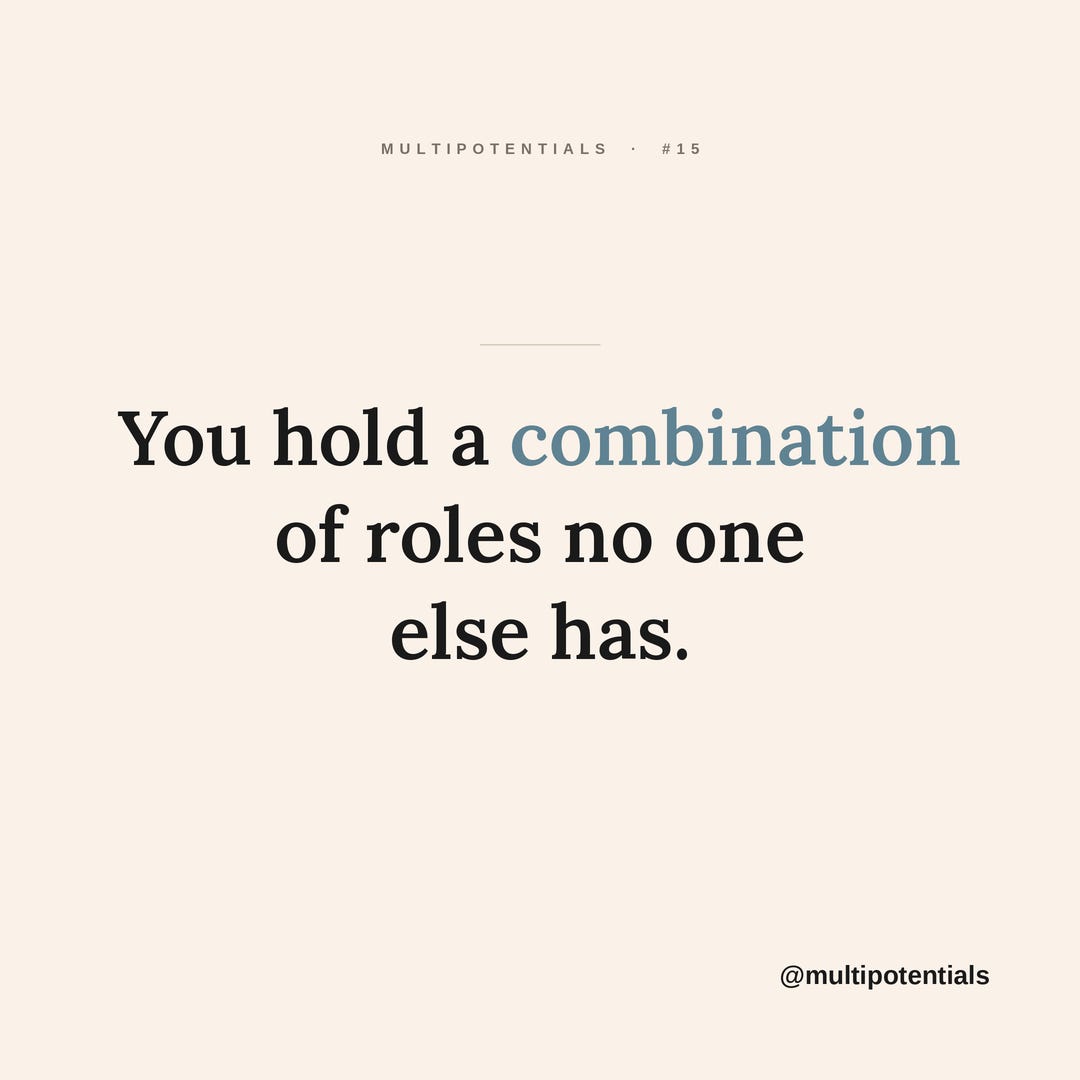
“The people who stay competitive won’t be the narrowest specialists. They’ll be the ones building at the intersections — because you hold a combination of roles no one else has.”
That intersection isn’t random.
It’s exactly where your purpose and your strengths overlap, across many domains.
That’s your edge.
Not one skill. A combination only you carry.
Two quiet truths underneath
Two more things I said, almost in passing, that feel like part of the foundation:
“Behind almost every success is discipline — and not only toward yourself, but toward everyone you work with.”
Discipline isn’t pressure. It’s a form of respect.
And:
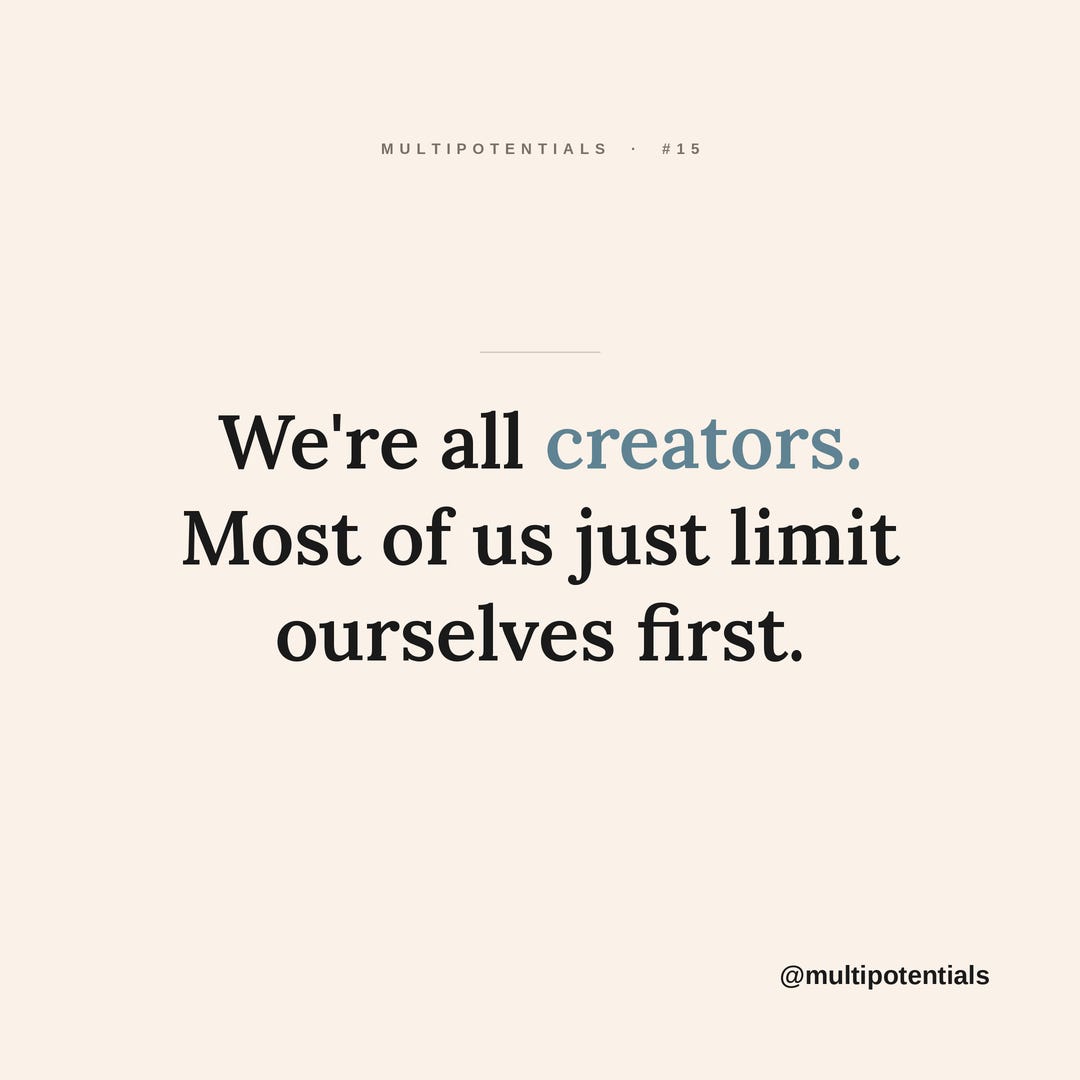
“Every boundary lives in our heads. We’re all creators. Most of us just limit ourselves first.”
The roles you think you’re “not allowed” to combine?
Usually no one is stopping you but you.
Try this
Before you map your roles again, go one layer down.
🧭 Name your center. Not your goal — your reason. What pulls all your work into the same orbit?
💎 Name your strength. The one that shows up in every role, no matter the field.
🔗 Find the overlap. Where do your center and your strength meet across domains? That intersection is your real position — even if it doesn’t have a title yet.
A quiet close
We spend so much time arranging our roles.
But roles are the visible part.
Underneath them is the quieter work — knowing why you do all of this, and what you uniquely bring to it.
Build those two bricks well, and the system on top of them can change shape as often as it needs to.
The roles will come and go.
The foundation stays.
The full conversation lives here — it’s in Russian, but you can turn on English subtitles if you’d like to listen in.